Warmer months often bring a noticeable shift in pest activity, with ants becoming one of the most persistent concerns for homeowners. As temperatures rise, ant colonies expand their foraging efforts, increasing the likelihood of an ant infestation both inside and around residential properties. What may begin as a few visible ants can quickly develop into a larger, more difficult issue if not addressed properly.
Understanding how and why ants behave during these seasons is key to preventing long-term problems. Effective prevention is less about quick fixes and more about identifying underlying conditions that allow colonies to thrive. With the right approach, it becomes possible to reduce the chances of recurring infestations and maintain a more controlled indoor and outdoor environment.
Why Ant Activity Increases During Warmer Months
Ants are highly responsive to environmental changes, especially temperature and moisture levels. As the weather warms, their metabolism accelerates, leading to increased movement and food-seeking behavior. Colonies become more active and organized, often sending worker ants across large areas in search of reliable food and water sources.
This seasonal surge is also tied to reproduction cycles. Many species expand rapidly during warmer periods, increasing population size and creating multiple satellite colonies. These smaller colonies can spread across a property, making an ant infestation more complex and harder to manage over time.
Moisture also plays a critical role. Warmer months often bring humidity, irrigation, and occasional rainfall, all of which create ideal conditions for ants to establish nests near structures. Areas with consistent moisture, such as kitchens, bathrooms, and shaded outdoor spaces, become particularly attractive.
Common Entry Points Ants Use To Invade Homes
Ants rarely appear without a clear pathway. They rely on small openings and structural gaps to move efficiently between outdoor nests and indoor food sources. Identifying these access points is an essential part of prevention.
- Cracks in foundations and exterior walls that provide direct access indoors
- Gaps around windows and doors where seals may have weakened over time
- Openings around utility lines, pipes, and vents entering the home
- Unsealed baseboards and flooring transitions that allow hidden movement
- Roofline gaps or attic vents that enable entry from above
Once these entry points are established, ants leave behind pheromone trails that guide others to the same location. This is why even a minor opening can quickly lead to a noticeable ant infestation if not properly addressed.
What Attracts Ants To Your Living Space
Ants are driven by the need to secure food, water, and shelter. Homes provide all three, often without obvious signs to the occupants. Even small amounts of residue or moisture can be enough to sustain a growing colony.
- Food crumbs, spills, and unsealed pantry items that offer easy access to sugars and proteins
- Pet food left out for extended periods, especially in warm environments
- Standing water or condensation in sinks, pipes, and appliances
- Trash bins that are not tightly sealed or cleaned regularly
- Outdoor factors such as overgrown vegetation or mulch placed too close to the structure
These attractants do not need to be significant. Ants are highly efficient and can detect even minimal resources. Once a reliable source is found, they will continue returning, increasing the likelihood of a persistent ant infestation.
Preventive Measures That Reduce Ant Infestation Risks
Preventing ants requires a combination of structural awareness and environmental management. Addressing conditions that attract and support colonies is far more effective than reacting after the problem becomes visible.
- Maintain clean surfaces, especially in kitchens and dining areas, to remove food residue
- Store food in airtight containers to eliminate accessible sources
- Repair leaks and reduce excess moisture in plumbing and appliances
- Seal cracks, gaps, and entry points along the exterior and interior of the home
- Trim vegetation and maintain distance between landscaping and the structure
- Ensure proper drainage to prevent water accumulation near foundations
Consistency is essential. Preventive measures must be maintained over time, especially during warmer months when ant activity remains high. Without ongoing attention, even well-managed spaces can become vulnerable again.
When Ant Problems Require Professional Attention
Not all ant issues can be resolved through basic preventive steps. In many cases, visible activity is only a small indication of a much larger colony hidden within walls, foundations, or outdoor structures. Ants are known for forming complex networks, often with multiple nesting sites that operate simultaneously.
Professional evaluation becomes particularly important when infestations persist despite efforts to control them. Identifying the specific species, locating nesting sites, and understanding colony behavior are critical factors in achieving effective results. Without this level of insight, treatments may only address surface activity while leaving the root cause untouched.
In addition, certain ant species can cause structural concerns or create ongoing disruptions if left unmanaged. Early intervention guided by experience and proper techniques can prevent these situations from escalating into more significant issues.
Keep Ants From Taking Over Your Space
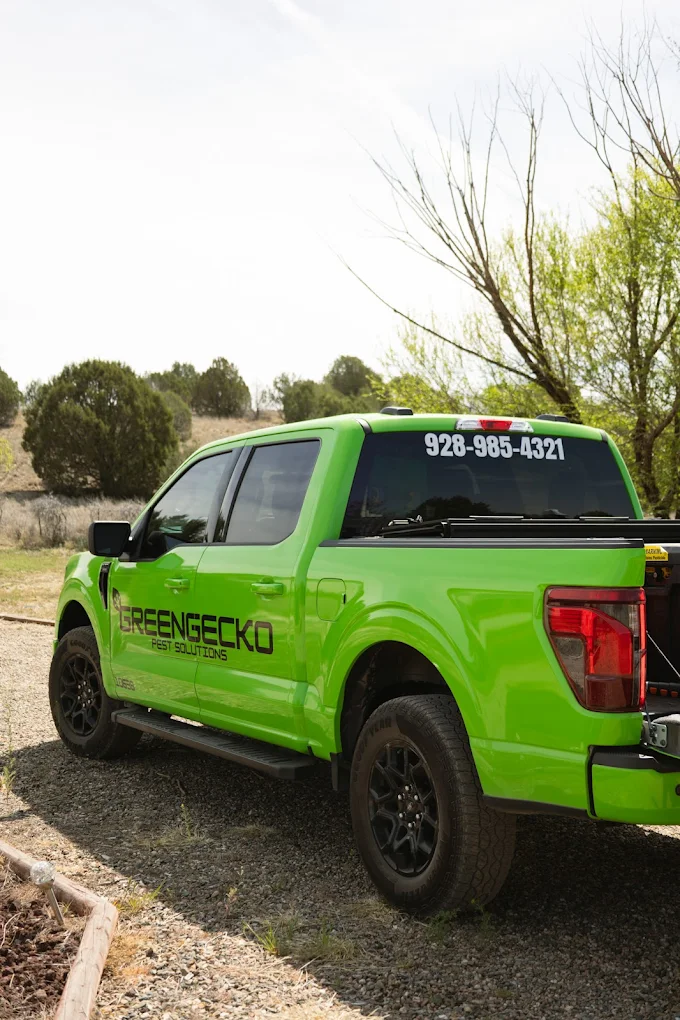
Maintaining a home free from ant infestation during warmer months requires more than temporary solutions. It involves a deeper understanding of pest behavior and a proactive approach to long-term prevention.For reliable support and a more complete solution, reach out to Green Gecko Pest Solutions and take the next step toward keeping your property consistently protected.