Pest problems rarely begin as visible, full-scale infestations. They develop quietly, often behind walls, beneath floors, or in overlooked areas where activity goes unnoticed. By the time pests are seen, the issue is usually more established than it appears. This is where many homeowners turn to DIY pest control, hoping for a quick and convenient fix.
While that approach may seem practical, it often leads to unintended consequences. Without a clear understanding of pest behavior, breeding cycles, and hiding patterns, surface-level treatments can actually intensify the problem. Professional pest control focuses on identifying the source, not just reacting to what is visible, which makes a significant difference in long-term outcomes.
The Hidden Complexity Behind Common Pest Infestations
Not all pests behave the same way, and treating them effectively requires a deeper understanding of how they survive and spread. Many infestations involve more than one access point, nesting site, or environmental factor. When these are overlooked, treatments fail to reach the core of the issue.
Common pest challenges often involve:
- Ants that create multiple satellite colonies make it difficult to eliminate the entire population with store-bought solutions
- Cockroaches that hide in tight, dark spaces and reproduce rapidly when disturbed, but not fully removed
- Spiders that remain undetected while continuing to build webs and occupy hidden areas
- Fleas that persist through eggs and larvae embedded in carpets and upholstery
- Rodents that move through wall voids and structural gaps, avoiding surface treatments entirely
DIY pest control typically addresses only what is immediately visible. Without identifying how these pests operate behind the scenes, infestations are given the opportunity to continue growing.
Why Surface Treatments Rarely Solve the Root Problem
One of the most common issues with DIY pest control is its focus on short-term results. Sprays, traps, and over-the-counter products are designed for accessibility, not for complete eradication. As a result, they often fail to target the full lifecycle of pests.
Key limitations of surface-level treatments include:
- Incomplete elimination of breeding sources, allowing infestations to return
- Misplacement of products, reducing effectiveness and leaving critical areas untreated
- Disruption of pest behavior, causing them to scatter and relocate rather than be eliminated
- Overuse or improper use of chemicals, which can create resistance in certain pest populations
- Lack of follow-up monitoring, which is essential for ensuring the infestation is fully resolved
Without a structured approach, treatments become reactive rather than strategic. This can prolong infestations and increase the difficulty of resolving them later.
The Risk of Making Infestations Harder to Control
In many cases, DIY pest control does not just fall short. It can make infestations more difficult to manage. When pests are exposed to inconsistent or ineffective treatments, their behavior can change in ways that complicate future control efforts.
Some of the unintended effects include:
- Pests are spreading to new areas of the home after being disturbed
- Colonies are splitting into smaller groups, making them harder to locate and treat
- Increased resistance to commonly used products due to repeated exposure
- Deeper nesting within walls, floors, or structural voids where access is limited
- Delayed professional intervention allows the infestation to become more severe over time
These challenges highlight why a targeted, informed approach is necessary from the beginning. Addressing infestations without a clear plan can unintentionally give pests an advantage.
What Sets a More Strategic Approach Apart
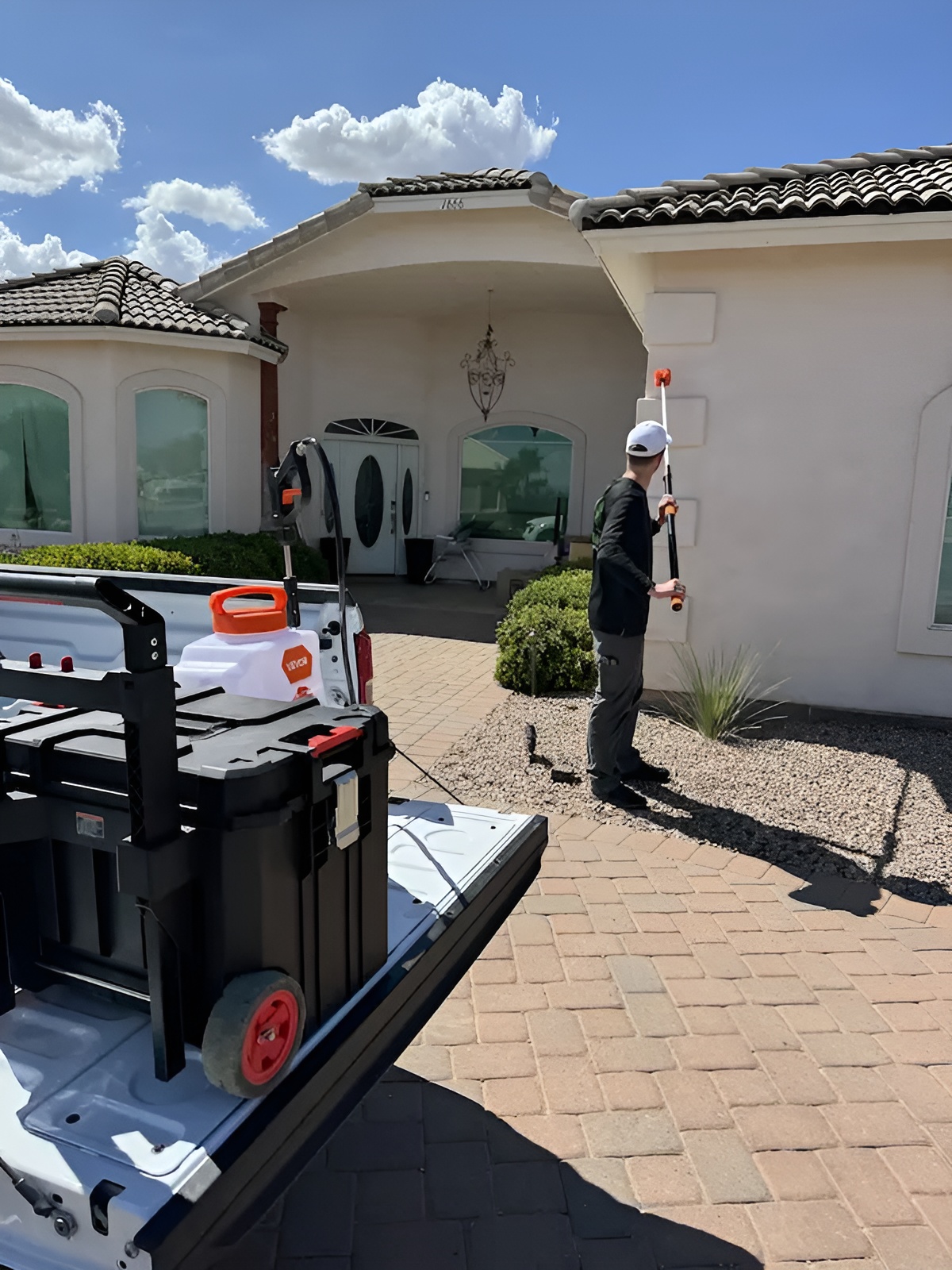
A more effective method goes beyond treating symptoms. Professional pest control involves a comprehensive evaluation of the environment, pest activity, and contributing conditions. This allows for a plan that is tailored to the specific situation rather than relying on generalized solutions.
A structured approach typically includes:
- Detailed inspection to identify entry points, nesting areas, and environmental factors
- Targeted treatments designed to address both active pests and underlying causes
- Consideration of pest life cycles to ensure complete disruption of reproduction
- Ongoing monitoring to track progress and adjust strategies when needed
- Preventative measures that reduce the likelihood of future infestations
This level of precision helps ensure that infestations are not only addressed but also prevented from recurring. It reflects a shift from reactive measures to a more controlled and informed process.
Why Long-Term Control Requires More Than Quick Fixes
Effective pest management is not achieved through isolated actions. It requires consistency, knowledge, and the ability to adapt to changing conditions. Infestations often develop over time, and resolving them fully involves addressing both immediate concerns and future risks.
Short-term fixes may provide temporary relief, but they rarely deliver lasting results. Without addressing entry points, environmental conditions, and hidden activity, pests are likely to return. Professional pest control offers a more reliable path by combining treatment, monitoring, and prevention into a unified strategy.
Where Lasting Protection Begins
For a more complete and effective solution, consider reaching out to Green Gecko Pest Solutions to take the next step toward resolving pest issues with greater precision and long-term confidence.