Pest activity indoors often feels sudden, but it usually follows a seasonal pattern. As temperatures rise, cool, dry out, or shift after rain, pests begin searching for food, water, warmth, shade, or shelter. Those needs can bring ants, roaches, rodents, spiders, scorpions, bed bugs, wasps, mosquitoes, and other common pests closer to homes.
Professional pest control looks at these seasonal changes before activity grows. A few ants near the kitchen, a roach in the bathroom, scratching in a wall, or scorpions near entryways may all point to conditions around the property that are changing with the weather. The goal is to understand what pests are responding to, where they are entering, and how to reduce the conditions that keep pulling them indoors. Because Northern Arizona properties can move from dry heat to cool nights quickly, small pest patterns can change faster than expected.
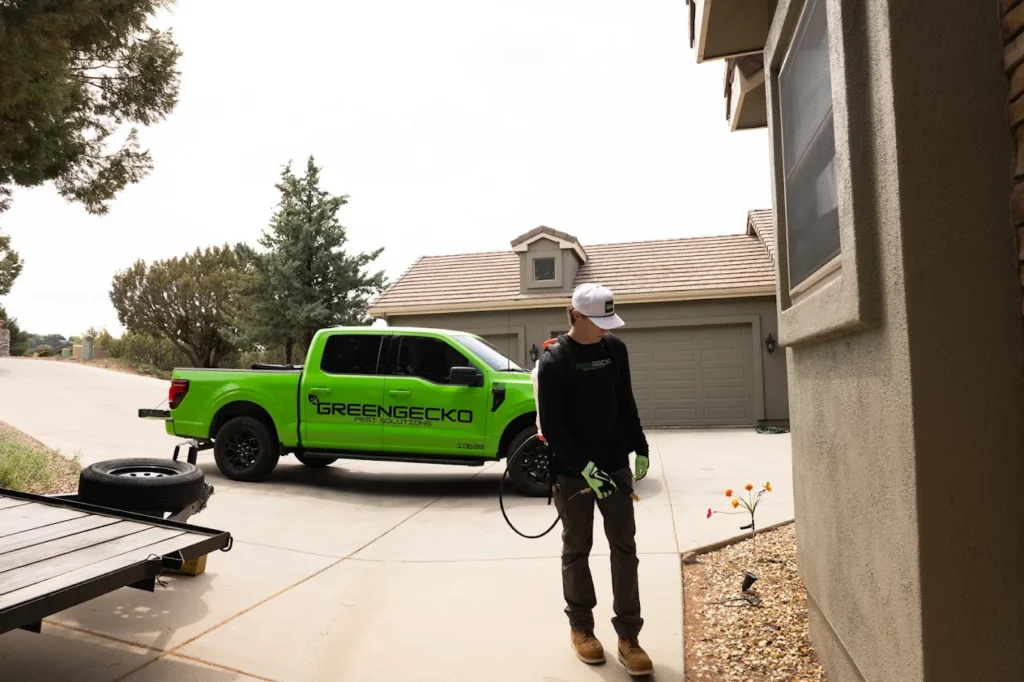
Warm Weather Increases Movement Around The Home
When temperatures climb, many pests become more active. Ants send workers farther for food and moisture. Roaches look for protected spaces near water. Spiders follow insect activity around doors, windows, garages, and outdoor lights. Scorpions may move closer to shaded areas, cracks, and harborage zones when the heat increases.
Warm-season triggers often include:
- Moisture. Irrigation, leaks, condensation, and damp soil can attract insects and roaches.
- Food. Crumbs, pet bowls, trash, and pantry spills can support ant and rodent activity.
- Lighting. Exterior lights can draw insects, which may increase spider and scorpion pressure nearby.
- Shelter. Garages, storage areas, rocks, mulch, and clutter can give pests hiding places.
- Access. Small gaps around doors, pipes, vents, and foundations can become indoor routes.
These signs are easier to manage before pests build steady movement patterns. A professional inspection helps connect indoor sightings to outdoor pressure points and seasonal conditions. That bigger view matters because the pest seen inside may only be following a larger pressure zone outside.
Cooler Weather Pushes Pests Toward Shelter
As temperatures cool, pests may move indoors for warmth and protection. Rodents are especially known for finding small openings around garages, rooflines, foundations, and utility penetrations. Roaches may settle deeper into kitchens, bathrooms, laundry areas, and wall voids. Spiders may become more noticeable as they follow insects into sheltered places.
This is also when scattered, surface-level treatment can make problems harder to track. A helpful discussion on DIY pest mistakes explains why improper treatment may push pests into new areas instead of solving the source problem.
Cool-weather warning signs include:
- Droppings. Rodent evidence near cabinets, garages, storage boxes, or walls should be checked.
- Odor. A musty or oily smell may point to roach or rodent activity.
- Noise. Scratching or movement in walls and ceilings can suggest hidden pests.
- Webs. New spider activity may show that insects are finding indoor shelter.
- Entry. Damaged screens, worn door sweeps, and gaps can allow repeated access.
A seasonal plan helps address entry points before pests settle indoors for longer periods. It also helps separate occasional movement from active nesting, feeding, or hidden harborage.
Rain, Dry Spells, And Pressure Changes Can Shift Pest Routes
The weather does not have to be extreme to change pest behavior. Rain can flood nesting areas and push ants, roaches, and scorpions toward drier shelter. Dry spells can send pests searching for water near bathrooms, kitchens, laundry rooms, and drains. Wind, yard work, construction, and vegetation changes can also disturb outdoor hiding areas.
Seasonal changes may affect pest routes in several ways:
- Rainfall. Saturated soil can force ants and scorpions out of outdoor hiding places.
- Drought. Dry conditions may increase movement toward indoor moisture.
- Landscaping. Trimmed shrubs, new mulch, or yard debris can alter pest shelter.
- Openings. Expanding gaps around materials can create new access points.
- Travel. Bed bugs may appear after trips, guests, or the movement of used furniture.
This is why pest activity should not be treated as a single isolated sighting. A scorpion in the garage, a roach near a drain, or an ant trail by a window can reveal a larger seasonal shift around the structure. Professional service starts with identification, then looks for access points, nesting areas, moisture sources, and pest pressure around the exterior.
A resource on professional pest results explains why source-focused strategies often outperform one-time surface responses. Consistent service also allows conditions to be tracked. If ants return after rain, rodents appear during colder nights, or scorpions increase near garage edges, those patterns help shape a more accurate plan. Over time, monitoring, exclusion recommendations, targeted treatments, and follow-up can reduce recurring issues.
Keep Seasonal Pest Pressure From Settling Indoors
Seasonal pest movement is easier to manage when warning signs are handled early, and the source is identified. A professional inspection can help reduce access, treat active pressure, and support long-term prevention. For dependable pest control support through changing seasons, contact Green Gecko Pest Solutions.