Pest activity rarely stays the same all year. In Northern Arizona, shifting temperatures, dry spells, monsoon moisture, cooler nights, and changing outdoor food sources can push pests toward homes at different times. Ants may trail indoors after water or crumbs. Scorpions may follow insects into garages and patios. Rodents may search for shelter when the weather changes. Roaches, spiders, bed bugs, wasps, and mosquitoes can also appear when conditions support them.
Pest prevention works best when homeowners understand these seasonal patterns before activity becomes obvious. A single sighting may seem minor, but pests often respond to shelter, moisture, food, and access points that remain in place. Professional inspection helps identify those conditions and turn scattered clues into a practical plan.
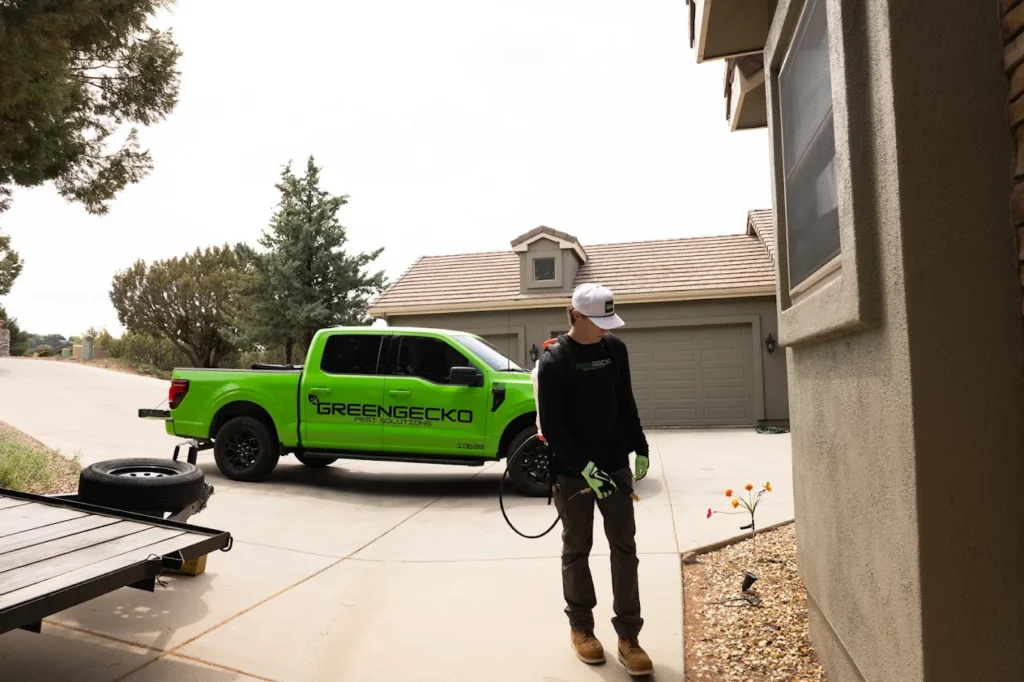
Spring Activity Starts With Warmth And Moisture
Spring often brings the first noticeable increase in pest movement. Warmer days wake up insects, while moisture from rain or irrigation supports outdoor activity near foundations, landscaping, and shaded soil. Ants may expand trails. Spiders may appear where insects gather. Wasps may begin building early nests. Mosquitoes may develop around standing water when conditions allow.
Spring concerns may include:
- Ant trails near kitchens, bathrooms, patios, and foundation edges
- Spider webs around eaves, garages, sheds, and low-disturbance corners
- Early wasp activity near rooflines, shrubs, porch ceilings, or fence lines
- Mosquito development in containers, drains, plant saucers, or low spots
- Roach movement near moisture, trash, storage, and utility areas
Early inspection matters because spring pest pressure can become summer activity if the source is not addressed. A professional review can identify entry points, nesting areas, and moisture conditions before they become harder to manage.
Summer Pressure Builds Around Shade And Shelter
Summer heat changes pest behavior. In Arizona homes, many pests look for cooler, darker, or more stable spaces. Scorpions may become more noticeable around patios, block walls, garages, laundry rooms, and baseboards. Rodents may use protected openings to reach shelter. Roaches may stay close to water, drains, and hidden indoor spaces. Spiders may increase where insects collect around lights and landscaping.
Routine service becomes important because summer conditions can make activity feel sudden. This discussion of routine inspections explains why recurring checks can help catch pressure before it grows indoors.
A summer plan should not treat every pest the same way. Scorpion control requires attention to harborage, travel routes, and supporting insect pressure. Ant control may focus on trails and colonies. Rodent control may require entry-point review. Professional evaluation helps match the response to the pest and the season.
Fall And Winter Create Indoor Movement
Cooler weather can drive pests toward the structure. Rodents may search for warmth, food, and nesting space. Roaches can move into garages, kitchens, and utility rooms. Spiders may settle into quiet corners where prey is available. Ants can appear indoors when outdoor food or water changes. Bed bugs remain a year-round concern because travel, guests, and shared furniture are not limited to one season.
Watch for indoor clues such as:
- Droppings, scratching, gnaw marks, or nesting material near storage areas
- Roaches near sinks, drains, appliances, garages, or trash zones
- Spiders in closets, ceiling corners, basements, and low-traffic rooms
- Ant trails near windows, baseboards, pantries, or bathroom moisture
- Bed bug signs around mattresses, seams, furniture, luggage, or guest rooms
Seasonal indoor movement does not always mean the pest began inside. Many problems start outdoors and move through small openings. Inspection helps connect indoor evidence with exterior pressure.
Prevention Should Change With The Season
Strong pest prevention is not a one-time checklist. It should adjust as weather and pest pressure change. Spring may call for moisture review and early nest checks. Summer may require stronger attention to scorpions, ants, spiders, roaches, wasps, and mosquitoes. Fall and winter may shift focus toward rodents, indoor hiding places, and gaps that allow pests inside.
Useful seasonal prevention steps include:
- Inspecting doors, windows, vents, utility lines, garage seals, and foundation gaps
- Reducing moisture near irrigation, gutters, drains, sinks, and shaded soil
- Keeping storage, firewood, boxes, and yard materials away from walls
- Watching exterior lights, patios, eaves, and sheds for spider or wasp activity
- Scheduling follow-up when sightings repeat or move to new areas
A guide to seasonal pest movement shows why pests often appear indoors after outside conditions shift. Professional service helps read those changes instead of reacting only after pests become visible.
Homeowners get better results when prevention is based on inspection, not guesswork. Scorpions, ants, rodents, roaches, spiders, bed bugs, wasps, and mosquitoes each need a different plan. A trained technician can look at structure, landscape, weather, and activity together, then recommend targeted treatment and long-term adjustments.
Stay Ahead Of The Next Seasonal Shift
Seasonal pest activity is easier to manage when warning signs are inspected early and prevention changes with the weather. For professional pest prevention and support with ants, bed bugs, roaches, rodents, scorpions, spiders, wasps, mosquitoes, and other household pest concerns, contact Green Gecko Pest Solutions.