A few ants near a sink, one roach in a bathroom, scratching inside a wall, or an occasional scorpion near an entryway can seem easy to dismiss. The problem is that many household pests stay hidden while populations grow, making visible activity only part of what may be happening.
Pest problems become harder to manage when food, water, shelter, and entry points remain available. Early inspection helps identify the source before activity spreads into additional rooms, structural spaces, or outdoor areas.
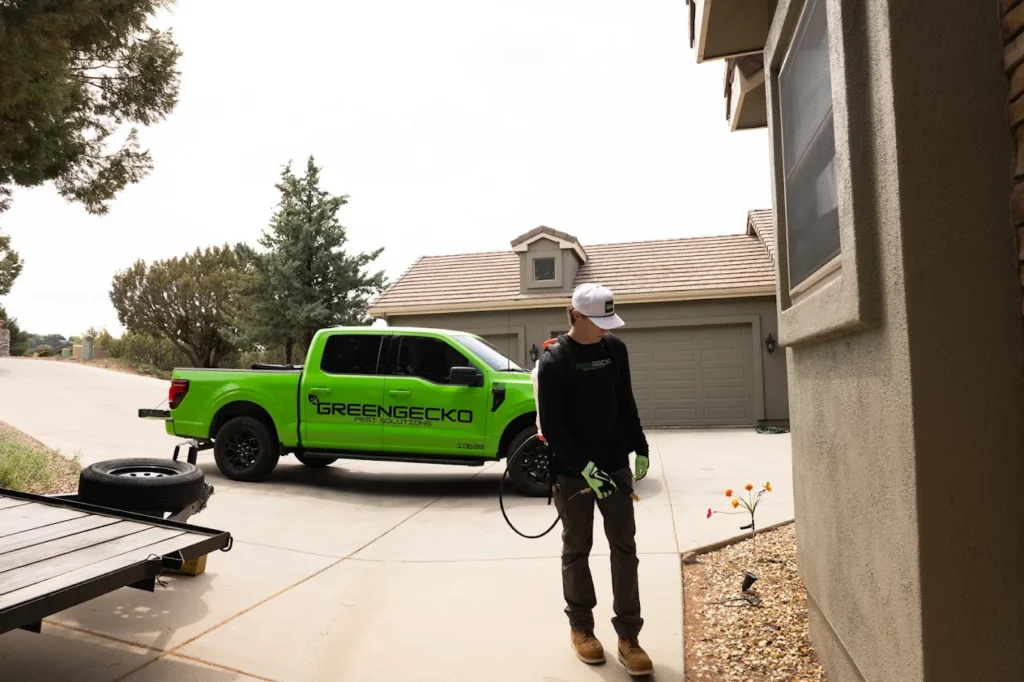
Hidden Activity Allows Populations To Grow Unnoticed
Many pests spend most of their time in protected locations. Ant colonies may remain outside or inside wall voids while workers forage indoors. Roaches hide around appliances, plumbing, cabinets, and cracks. Rodents can nest in attics, garages, and wall spaces, while scorpions and spiders often stay near sheltered areas where insect prey is available.
Early warning signs may include:
- Droppings in storage areas, cabinets, or along walls
- Small trails of ants appearing repeatedly near food or water
- Shed skins, egg cases, or unexplained insect remains
- Gnaw marks or scratching sounds around concealed spaces
- Webbing or scorpion activity near doors and garages
- Repeated sightings in the same part of the property
These clues matter because visible pests may represent only the portion currently moving through open areas. Understanding the risks of early pest signs can help homeowners recognize when a minor-looking issue deserves closer attention.
Food, Water, And Shelter Keep Infestations Moving
Pests rarely remain in a home without resources. Small amounts of food residue, moisture, clutter, or protected shelter can support continued activity even when the property appears generally clean.
Ants and roaches may use kitchens, bathrooms, laundry areas, and plumbing zones where water is dependable. Rodents may take advantage of stored food, birdseed, pet food, or overlooked gaps near garages and rooflines. Spiders and scorpions may become more noticeable when other insects provide a steady food source nearby.
Once pests discover reliable resources, repeated movement becomes more likely. A one-time sighting can turn into a recurring pattern if the underlying attractant remains.
Professional inspection is valuable because it connects pest activity with the conditions supporting it. Treatment becomes more precise when technicians know where pests are feeding, entering, or hiding.
Small Entry Points Can Support Larger Problems
Homes contain many openings that pests can use, especially around utility lines, foundations, doors, windows, vents, and roof edges. What looks insignificant from the outside may provide a dependable route indoors.
Common access points include:
- Worn weather stripping around exterior doors
- Gaps where plumbing or utility lines enter walls
- Cracks near foundations and concrete transitions
- Openings around garage doors and storage areas
- Damaged screens or poorly sealed windows
- Roofline gaps that provide access to rodents
Entry-point correction can reduce new activity, but it works best when existing infestations are also addressed. Sealing a gap does not eliminate pests already inside, and treating visible pests without correcting access may allow the problem to return.
A long-term strategy considers both sides of the issue: removing active pests and reducing the pathways that let new ones enter.
Seasonal Changes Can Accelerate Pest Pressure
Pest activity changes throughout the year. In Northern Arizona, heat, dry periods, monsoon moisture, and cooler nights can all influence where pests travel and what resources they seek.
Learning about seasonal pest activity helps explain why a property that seemed quiet several weeks earlier may suddenly show more ants, roaches, rodents, spiders, or scorpions.
Warm conditions can increase insect movement, while dry weather may push pests toward dependable indoor moisture. Monsoon conditions can alter nesting areas and food availability. When temperatures fall, rodents and other pests may move toward more protected spaces.
Seasonal shifts can therefore turn a small existing population into a more noticeable infestation. Monitoring matters because early changes in activity may provide the best opportunity to intervene before pests spread farther.
Early Action Keeps Pest Problems More Manageable
The difference between a minor pest issue and a full infestation is often time. Populations can reproduce, expand into new areas, and become harder to locate when warning signs are ignored.
A complete pest-management approach may include:
- Identifying the pest before selecting treatment
- Inspecting likely nesting, feeding, and hiding areas
- Correcting moisture, food, and shelter conditions
- Sealing entry points around the structure
- Applying targeted treatment where activity is confirmed
- Monitoring and following up when signs continue
Professional service helps bring these steps together instead of treating each sighting separately. Accurate identification is particularly important because ants, roaches, rodents, scorpions, spiders, bed bugs, wasps, and mosquitoes require different control strategies.
Small pest problems are easiest to address before they gain time and space to expand. When activity keeps returning or appears in multiple locations, an inspection can reveal whether a larger infestation is developing behind the visible signs.
Catch The Problem Before It Grows
If repeated pest activity suggests something larger is developing, contact Green Gecko Pest Solutions for professional inspection, targeted treatment, prevention, and follow-up built around the conditions affecting your property.