A single ant trail, one roach near a drain, scratching inside a wall, or an occasional scorpion near the garage may seem minor. However, early pest activity can indicate that food, moisture, shelter, or an entry point is already supporting a larger problem. Bed bugs, rodents, spiders, wasps, mosquitoes, and other handled pests can remain concealed until their numbers or damage become harder to ignore.
Professional pest control focuses on interpreting these small warning signs before activity spreads. Technicians connect sightings with seasonal pressure, structural conditions, nesting areas, and hidden travel routes. Early action keeps the response focused and reduces the likelihood of extensive contamination, property damage, or repeated indoor encounters.
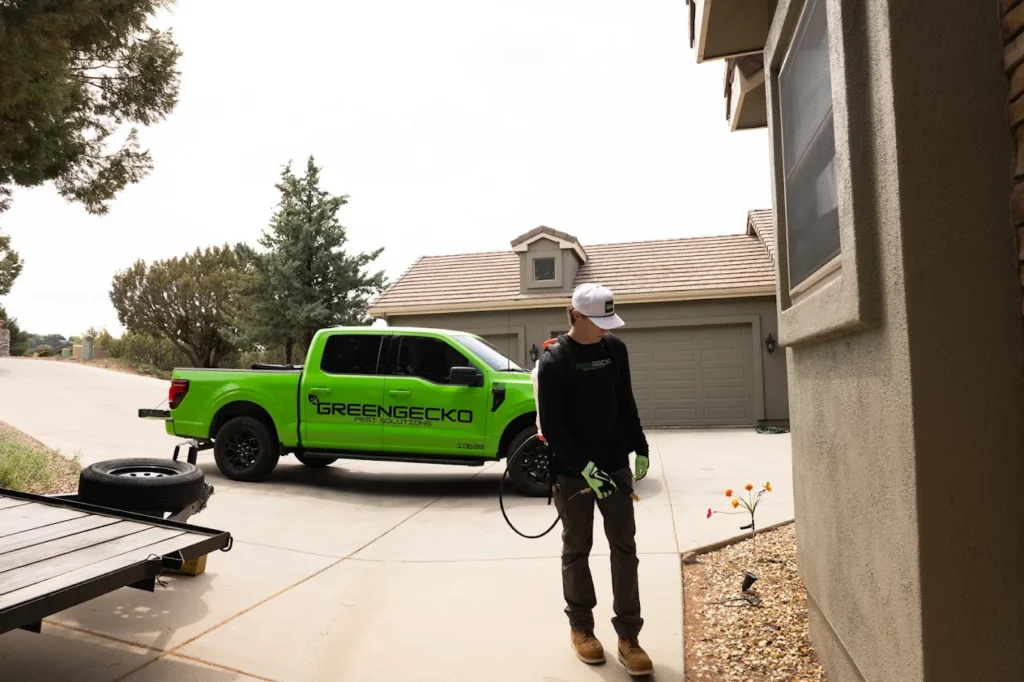
Small Signs May Point To Hidden Activity
Visible pests represent only part of many infestations. Ant workers may travel far from a colony, roaches often remain inside cracks and appliances, and rodents can nest in attics or wall voids. Scorpions and spiders may also indicate that other insects are providing a steady food source nearby.
Early clues include:
- Droppings, shed skins, egg cases, or nesting material
- Grease marks, gnawing, scratching, or movement after dark
- Repeated trails near kitchens, bathrooms, doors, or windows
- Webs, stinging-insect traffic, or scorpions around sheltered edges
- Unexplained bites, spotting, or insects near beds and furniture
One sign may not reveal the full extent of the problem. A trained inspection helps determine whether the evidence is current or connected to concealed activity elsewhere.
Seasonal Pressure Can Turn A Minor Issue Into A Pattern
Northern Arizona weather can shift quickly between dry heat, monsoon moisture, colder nights, and changing outdoor food sources. These conditions affect where pests travel and what they seek. Ants and roaches may move toward water, rodents may look for protected shelter, and scorpions or spiders may follow insect activity closer to structures.
Understanding seasonal pest patterns explains why a small problem can intensify as conditions change. Wasps may expand a developing nest, mosquitoes may reproduce in standing water, and bed bugs can spread between resting areas without depending on outdoor weather.
Early pest control helps technicians anticipate where pressure may develop next. Waiting until sightings become frequent can mean that nesting, breeding, or indoor movement is already established.
Delayed Action Can Increase Property And Sanitation Concerns
Pests can affect more than comfort. Rodents may gnaw wiring, insulation, stored items, and building materials. Roaches can leave droppings and shed material in kitchens, cabinets, or utility spaces. Ants may establish satellite colonies, while wasps can build nests near entrances, eaves, or outdoor-use areas.
Potential consequences of delay include:
- Larger nesting or breeding populations in concealed spaces
- Wider contamination around food, storage, and pet areas
- More structural access points created by chewing or deterioration
- Greater disruption when treatment must cover multiple rooms or zones
- Longer monitoring periods before activity is fully resolved
Bed bugs can become especially difficult to manage after moving beyond one sleeping area. Scorpions and spiders may continue appearing when surrounding insect pressure and harborage conditions remain unaddressed. Prompt evaluation keeps the response tied to reliable evidence.
Indoor Activity Often Begins With Outdoor Changes
Pests do not enter buildings randomly. Rain can flood nesting areas, dry spells can increase the search for water, and cooler nights may push rodents toward warmth. Vegetation growth, exterior lighting, stored materials, landscape debris, and gaps around utilities can also support movement toward the home.
Understanding indoor seasonal movement shows why the room where a pest appears may not be the source. An ant trail in the kitchen can begin near an exterior nest. A scorpion in a garage may be following prey insects. Rodent noise in a wall may trace back to a roof or foundation opening.
Professionals inspect the property as one connected environment. They compare indoor evidence with perimeter conditions, moisture, shelter, and likely access routes before deciding where treatment or exclusion belongs.
Early Professional Attention Supports Long-Term Control
Reacting only to visible pests can create a cycle of temporary improvement followed by renewed activity. Effective pest control identifies the species, locates active areas, addresses entry conditions, and monitors whether the plan is working. The treatment should match the pest rather than relying on a one-size-fits-all response.
A professional plan may involve:
- Inspecting interior rooms, garages, attics, and exterior edges
- Identifying the pest and separating old evidence from active signs
- Applying targeted treatment to confirmed routes or harborage areas
- Recommending exclusion, moisture correction, or sanitation improvements
- Scheduling follow-up when life cycles or recurring pressure require it
Early service can also limit unnecessary treatment. When technicians work from specific evidence, they can focus on the areas that support activity and adjust the plan as conditions change.
Ignoring warning signs gives ants, bed bugs, roaches, rodents, scorpions, spiders, wasps, and mosquitoes more time to establish themselves. Careful inspection provides clarity before a manageable concern becomes a property-wide infestation.
Turn Early Warning Signs Into Timely Protection
Contact Green Gecko Pest Solutions for professional inspection, targeted pest control, prevention, and reliable follow-up.